Understanding the patient
A patient arrives with a story, not a list of symptoms. The first job is to hear it fully, in the patient's own words, before translating it into clinical terms.
Healthcare
Rohit's healthcare path began with school biology in 2019 and continues today in supervised clinical internship. This page describes how he thinks about homoeopathy, patient understanding, prevention and responsible health communication.
Healthcare disclaimer. The healthcare information on RohitRohit.com is shared for general education and information only. It is not a substitute for professional medical advice, diagnosis or treatment, and it does not replace a personal consultation with a qualified practitioner who can assess your situation. Read the full disclaimer.
Healthcare philosophy
Quick answer
Rohit approaches healthcare as the careful understanding of a whole person: the presenting complaint, the way that person experiences it, their history, habits, emotions and circumstances. He values patient education, prevention and honest communication about what any treatment can and cannot do, and he believes clinical decisions belong to qualified professionals who can examine the patient.
Medical education is humbling for anyone, and perhaps especially for someone arriving from engineering. Systems can be specified. People cannot. Two patients with the same diagnosis on paper will describe their illness differently, respond differently to the same advice and carry very different worries into the consulting room.
That is what drew Rohit toward a way of working that pays attention to the individual. It is also what makes him cautious. A careful clinician says it depends often, asks one more question before concluding, and knows when a case belongs with someone else.
The healthcare side of this website reflects that caution. It explains ideas, shares what clinical training teaches, and encourages people to look after their health sensibly. It does not diagnose, prescribe or promise results.
Homoeopathy
Homoeopathy is a recognised system of medicine in India, taught through a five and a half year BHMS degree that includes a year of clinical internship and regulated under national law.

The BHMS course covers the same foundations as other medical programmes (anatomy, physiology, biochemistry, pathology, microbiology, forensic medicine, community medicine, practice of medicine, surgery, and obstetrics and gynaecology) alongside subjects specific to homoeopathy: organon of medicine and homoeopathic philosophy, homoeopathic pharmacy, materia medica and repertory.
What distinguishes homoeopathic practice is the depth of case taking. A practitioner records not only what is wrong, but how it is wrong for this patient: the exact sensation, its timing, what aggravates or relieves it, and the general state of the person. Medicine selection draws on that complete picture.
Terms such as materia medica, repertory and case taking are explained in the glossary.
Like every system of medicine, homoeopathy has its scope and its limits. A responsible practitioner works within them, keeps up with the evidence and discussion around their field, and refers patients for investigation or other care whenever the situation calls for it.
Individualisation
A diagnosis groups people by what they share. Individualisation looks for what they do not share, because that is often where the most useful clinical information is found.
| Aspect | Patient A | Patient B |
|---|---|---|
| Diagnosis | Recurrent headache | Recurrent headache |
| Character | Throbbing, worse in sunlight | Dull, pressing, worse after skipped meals |
| Relief | Dark room and pressure | Eating and gentle walking |
| General state | Irritable, thirsty, sleeps poorly | Anxious about work, chilly, sleeps heavily |
| Context | Long outdoor work hours | Irregular routine, exam season |
Both patients carry the same label, yet their cases read very differently. Seeing that difference is the starting point of individualised care. Deciding what it means for treatment requires a qualified practitioner, a proper examination and, where needed, investigations.
Areas of attention
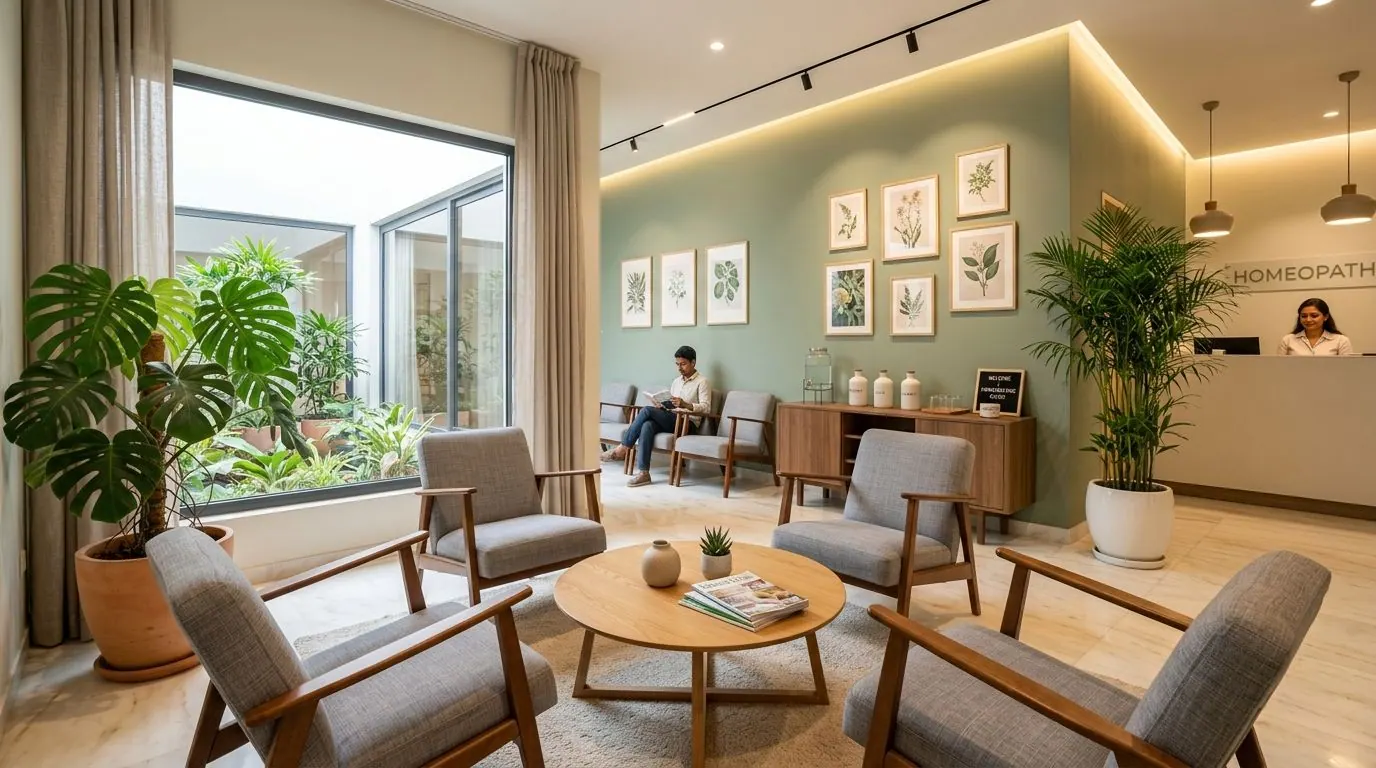
A patient arrives with a story, not a list of symptoms. The first job is to hear it fully, in the patient's own words, before translating it into clinical terms.
Much of a case is seen rather than said: posture, manner, skin, breathing, the way a person responds to questions. Internship is where this skill is built, under supervision, one patient at a time.
Sleep, food, movement, stress and timely screening do more for most people than any single treatment. Prevention is unglamorous and deserves more attention than it receives.
People make better decisions when they understand their bodies and their options. Clear, calm information helps; fear and miracle stories do not.
Knowing what is healthy is easy. Doing it is hard. Understanding habits, motivation and circumstances is part of caring for someone realistically.
Care planned with the patient rather than for them: explaining choices, respecting preferences and keeping follow up honest about progress or its absence.
Learning and continuous study
Medical college provides the knowledge. Internship begins the long process of turning it into judgement.
Beyond the BHMS degree, Rohit holds an MA in Yoga and Naturopathic Sciences from Uttarakhand Open University, trained in Reiki in the lineage of Lisa Powers, and is an Achology certified life coach and counsellor. Each of these informs the lifestyle and emotional side of a case rather than replacing medical judgement.
Rohit came to medical study after two decades in technology, which brought both advantages and adjustments. Structured thinking, note taking and comfort with large bodies of information helped. Accepting that the human body rarely follows a clean flowchart took longer.
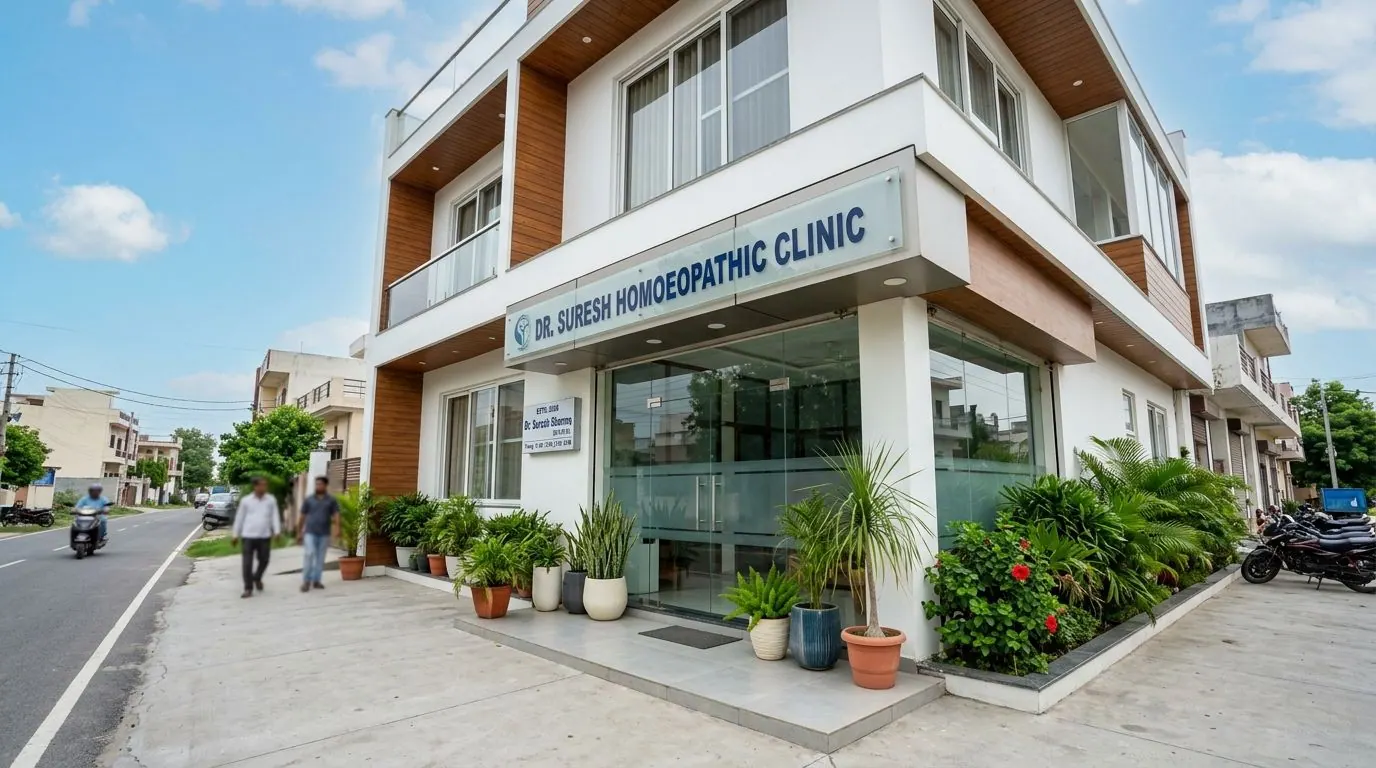
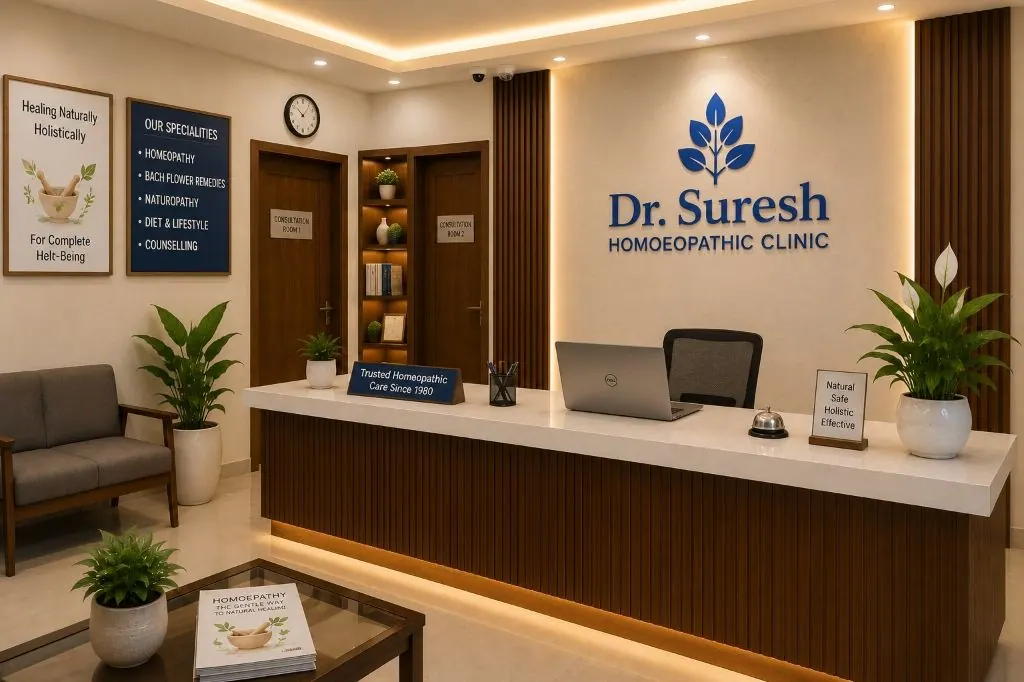
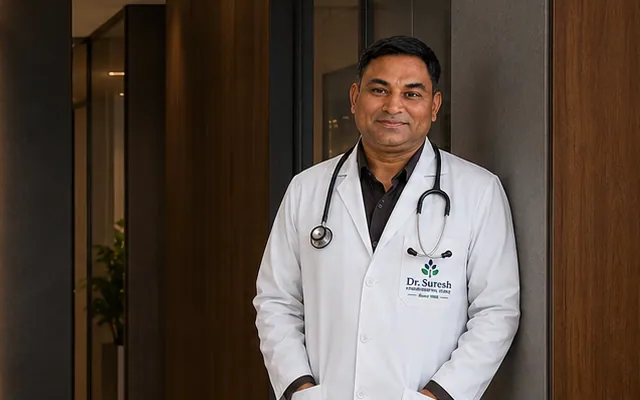
His internship, which began in March 2026, rotates through clinical departments under supervision. Completion is expected in March 2027, after which he plans to join Dr. Suresh Homoeopathic Clinic in Roorkee, a practice that has served patients since 1980.
 Dr. Suresh Homoeopathic ClinicRoorkee, since 1980. Planned clinical practice from April 2027.
Class 12 with Biology through the National Institute of Open Schooling.
Qualified the national entrance test for medical education.
Academic programme at Sri Ganganagar Homoeopathic Medical College Hospital and Research Institute, affiliated to Tantia University.
Supervised clinical training under provisional registration.
Joining Dr. Suresh Homoeopathic Clinic, Roorkee.
The clinic in Roorkee
A homoeopathic clinic that has served patients in Roorkee since 1980. Rohit plans to join its practice in April 2027, after completing his clinical internship.
Responsible healthcare communication
Health information online can help or harm. These commitments apply to every healthcare page and article on RohitRohit.com.
If you have urgent symptoms
Chest pain, difficulty breathing, sudden weakness or confusion, severe bleeding, high fever in an infant, or any symptom that feels like an emergency needs immediate medical attention. In India, call 112 or go to the nearest emergency department.
Insights
Essays on individualisation, prevention, learning medicine and technology in care.

Rohit on returning to school biology, qualifying NEET and studying BHMS after a career in engineering and business, and what learning across disciplines teaches.
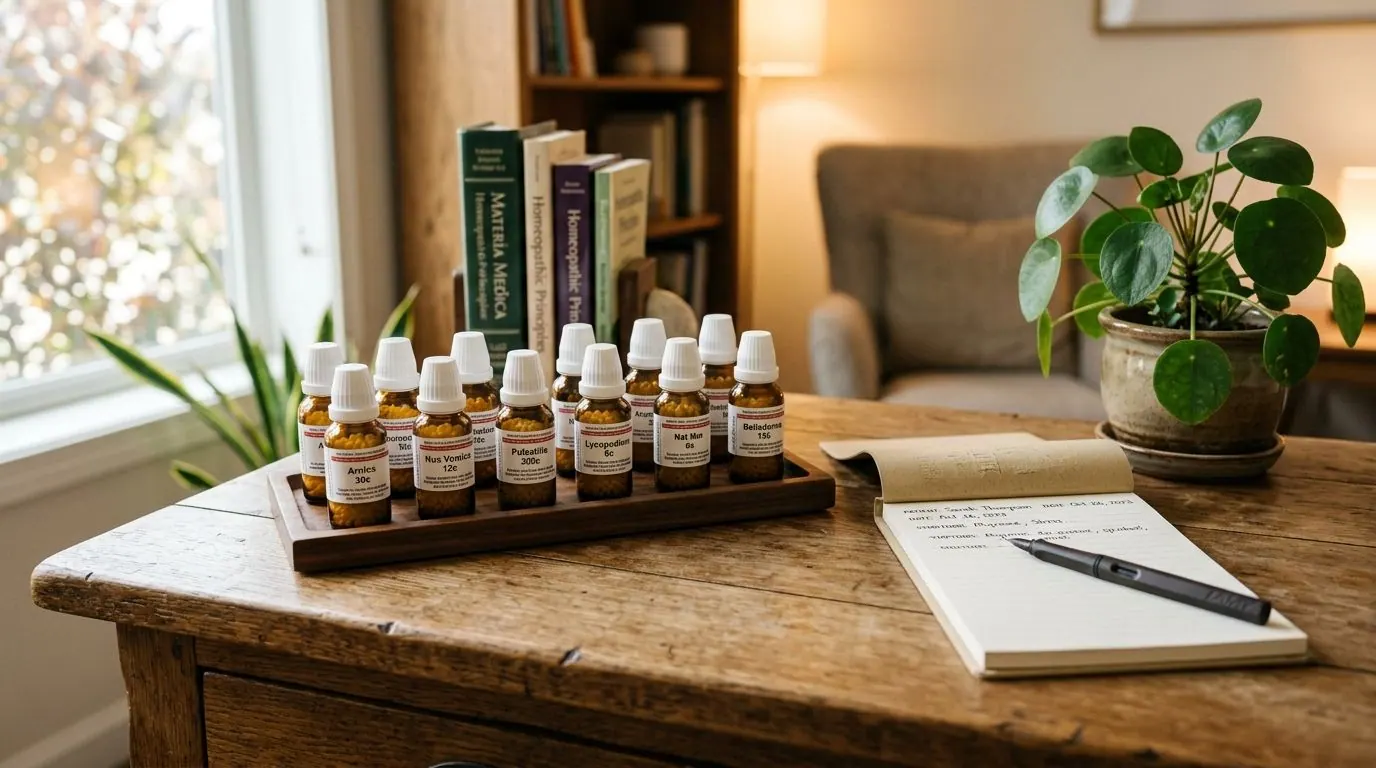
What individualisation means in homoeopathy, how case taking looks at the whole person, and the responsibilities and limits that come with it.
Why clinic software often captures the easy fields and misses what matters in a consultation, and how to design healthcare systems that respect clinical work.
Questions
Rohit completed Class 12 with Biology through NIOS (2019 to 2020), qualified NEET in 2020, and studied the Bachelor of Homoeopathic Medicine and Surgery (BHMS) at Sri Ganganagar Homoeopathic Medical College Hospital and Research Institute, affiliated to Tantia University, from April 2021 to February 2026. He has been in the compulsory clinical internship since March 2026, with completion expected in March 2027.
Homoeopathy is a system of medicine developed by Samuel Hahnemann in the late eighteenth century. In India it is a recognised system of medicine with its own degree courses, regulation and registration. Its practice centres on detailed case taking and selecting a medicine according to the characteristics of the individual patient as well as the disease.
Individualisation means that two people with the same diagnosis may be understood and managed differently, because the practitioner considers how each person experiences the illness: the specific character of symptoms, what makes them better or worse, general features such as sleep, appetite and temperature, emotional state, history and circumstances.
No. RohitRohit.com does not offer medical consultations, diagnosis or treatment advice. Rohit is currently in supervised clinical internship. If you have a health concern, please see a qualified and registered practitioner in person, and seek emergency care immediately for urgent symptoms.
Healthcare content on this site does not suggest replacing necessary medical care. Serious, acute or worsening conditions need prompt assessment by an appropriate qualified professional, and patients should never stop prescribed treatment without talking to the clinician responsible for it.
Healthcare disclaimer. The healthcare information on RohitRohit.com is shared for general education and information only. It is not a substitute for professional medical advice, diagnosis or treatment, and it does not replace a personal consultation with a qualified practitioner who can assess your situation. Read the full disclaimer.
Conversations
For academic discussions, health education initiatives, research conversations or collaboration between clinicians and technologists, write to Rohit. Please do not send personal medical questions through the contact form.